
Are costly high‑temperature shutdowns plaguing your injection molding machines? Tianjin Yihe Zhongwei Precision Machine Co., Ltd. (ZOWEITE) offers comprehensive, hands‑on cooling maintenance solutions.
Persistent scorching heat and sultry weather are putting injection molding machines under severe strain. Surging oil temperatures, failing cooling systems, and frequent alarm-triggered shutdowns have become common occurrences. At the lighter end, these issues accelerate the aging of hydraulic and electrical components, significantly shortening equipment service life. At the more severe end, they can cause production interruptions, delay order deliveries, and even expose your business to substantial penalty risks.
Drawing on nearly three decades of hands‑on field experience, Tianjin Yihe Zhongwei Precision Machine Co., Ltd. (ZOWEITE) has distilled a complete set of practical maintenance and inspection solutions specifically designed for cooling, servicing, and routine checks of injection molding machines in high‑temperature conditions. Bookmark this article – the measures outlined here can be directly implemented on your shop floor.
Four Major High‑Temperature Faults and Their Consequences
1. Excessive Oil Temperature
Hydraulic oil becomes emulsified and degrades under extreme heat, leading to unstable pressure, short‑shot molding (insufficient filling), flash (excess material at part edges), and accelerated wear of pumps and valve assemblies.
2. Cooling System Blockage
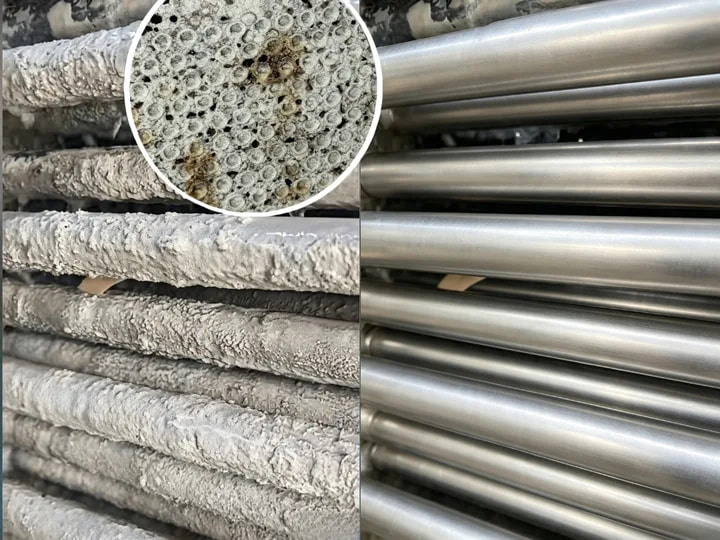
Scale and dust accumulate in cooling towers, water pipes, and coolers, drastically reducing heat dissipation efficiency. Insufficient mold cooling follows, causing a sharp rise in the defective product rate.
3. Electrical Control System Overheating
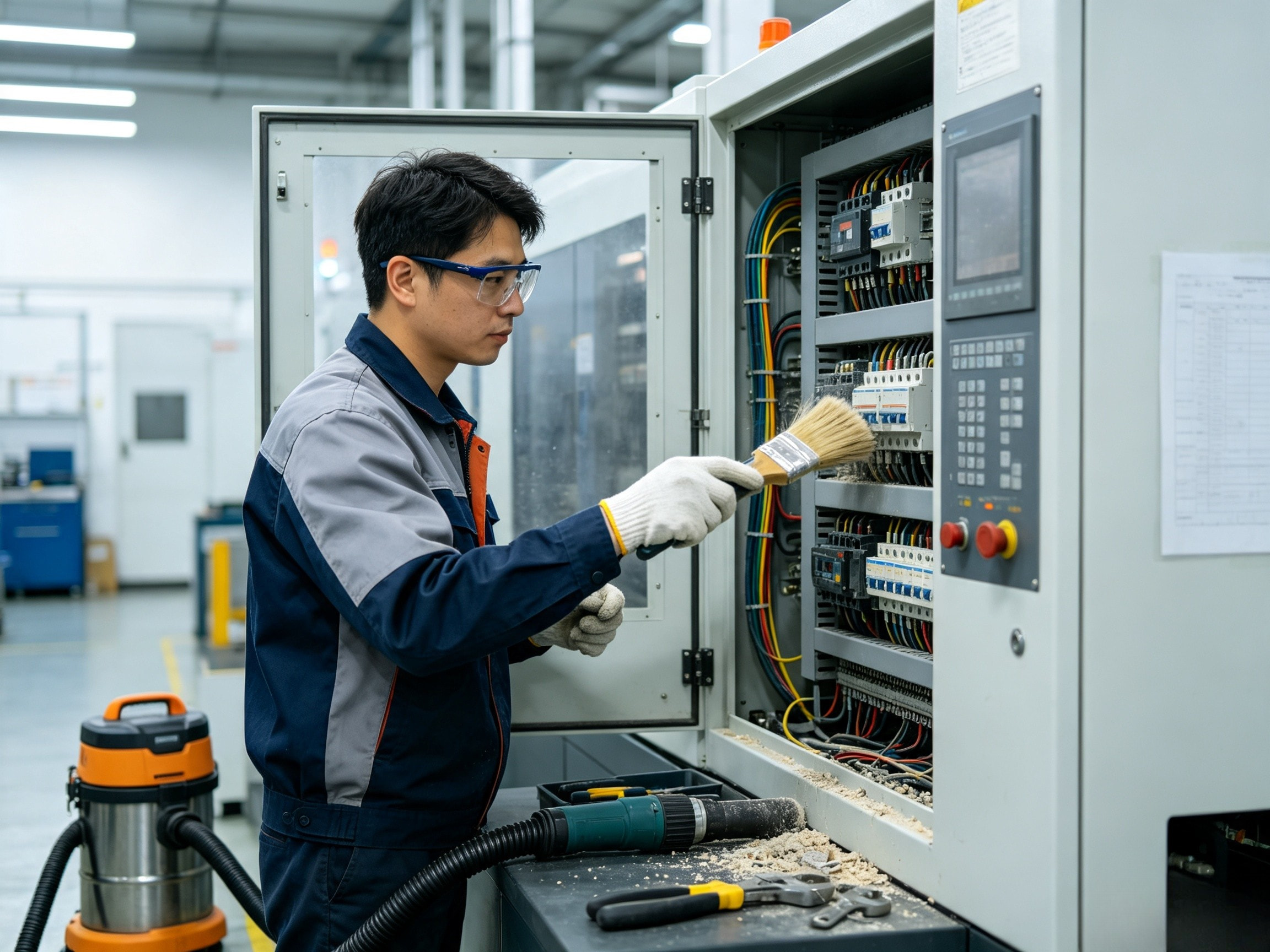
Dust‑clogged cooling fans in electrical cabinets impair heat dissipation, triggering circuit board errors and high‑temperature alarms. This results in frequent machine shutdowns and restarts, disrupting production continuity.
4. Continuous Overload Under High Temperatures
With workshop temperatures soaring and equipment running 24/7 during summer peaks, the machine body operates beyond its designed load limits. This doubles the probability of breakdowns and unplanned failures.
Complete maintenance procedures – ready for operations and maintenance personnel to follow directly.
Hydraulic system maintenance: ensuring oil purity from the very source.
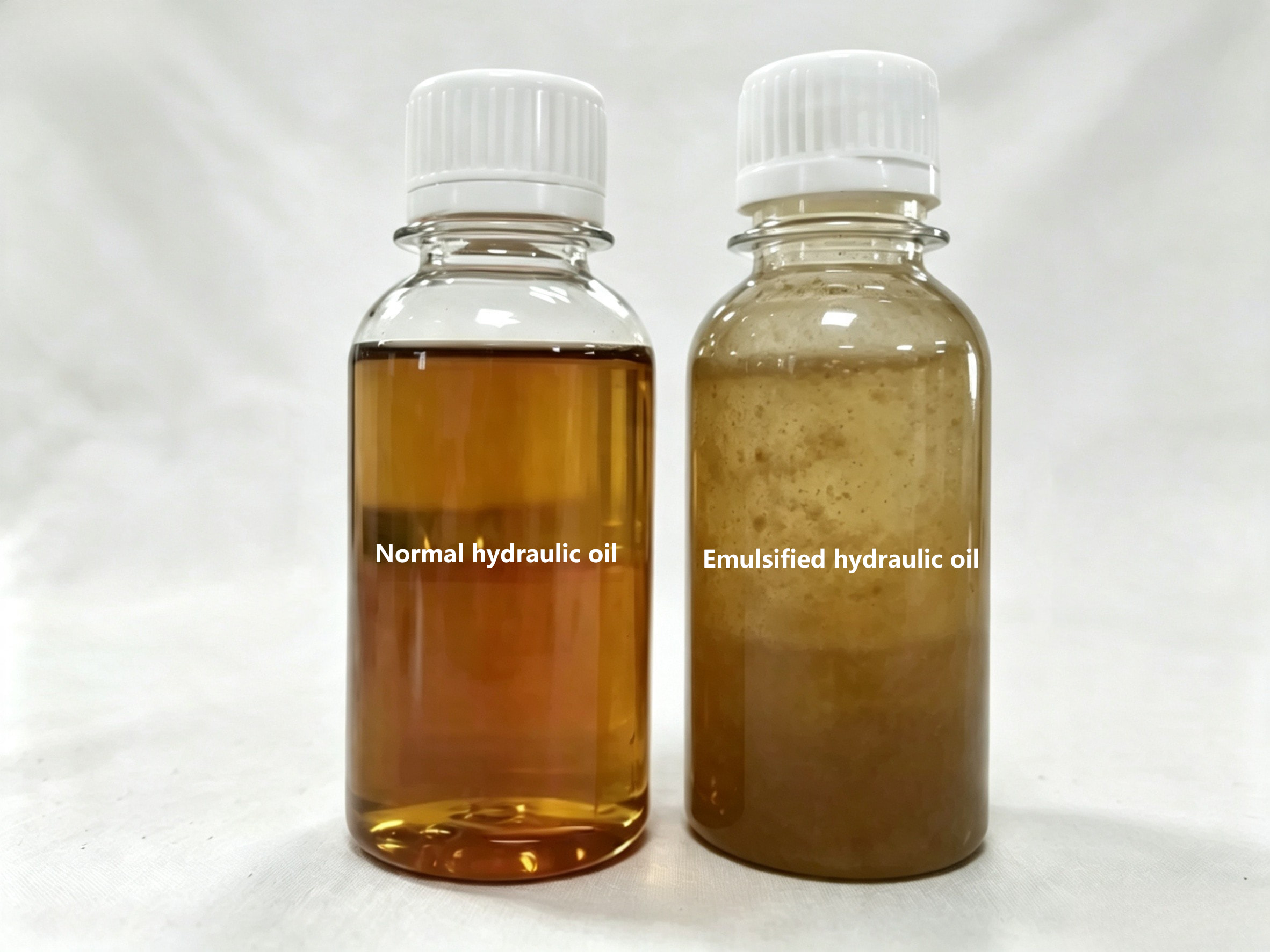
✅ Operation Key Points:
- Monitor oil temperature range: In summer, the standard oil temperature should be maintained between 35°C and 55°C. If it exceeds 60°C, shut down the machine immediately and investigate the cause.
- Regularly inspect oil condition: Check through the sight glass or by taking samples. Replace the oil immediately if it appears cloudy, emulsified, or darkened.
- Adjust oil change intervals during hot seasons: The industry standard is 6–12 months, while ZOWEITE equipment can extend this interval to 2 years or more (see detailed explanation below).
💡 Why can ZOWEITE injection molding machines achieve an oil change interval of 2 years or more?
The key lies in three core guarantees:
① Tianjin Yihe Zhongwei Precision Machine Co., Ltd. (ZOWEITE) completes the first oil change before the machine leaves the factory, thoroughly removing metal particles and impurities generated during the break‑in period. This ensures oil purity from the very source, eliminating the need for a second replacement by the customer.
② We insist on using genuine original oil. This prevents issues such as oil circuit blockages and accelerated component wear caused by inferior lubricants, thereby safeguarding the long‑term stable operation of the hydraulic system from the start.
③ Our machines are equipped with high‑quality filters as standard, effectively capturing fine impurities and preventing particulates from entering precision valve assemblies, significantly extending the service life of the oil.
With these three layers of protection, the oil change interval for ZOWEITE injection molding machines can be extended from the industry norm of 6–12 months to over 2 years. This not only reduces downtime for maintenance but also directly lowers annual operating and maintenance costs by 30%–50% for customers.
Cooling system maintenance: keeping heat dissipation efficiency consistently at its peak.
 Pre- and post-cleaning comparison
✅ Operation Key Points:
- Regularly clean the cooling tower: remove accumulated dust and scale, and keep the cooling fins/heat exchange surfaces clear.
- Descale the piping: use professional descaling agents to prevent scale buildup that restricts water flow.
- Check cooling water level: ensure it remains above the standard mark; top up promptly if low.
- Inspect the mold cooling water circuit: check for leaks at joints and blockages in the pipes.
- Protect idle equipment: drain cooling water during extended shutdowns to prevent freezing or algae growth.
Cooling the electrical control system: preventing latent high‑temperature failures.
 Electrical control cabinet before and after cleaning
✅ Operation Key Points:
- Regular dust removal: Clean the interior of the electrical control cabinet monthly, with particular attention to circuit boards and terminal blocks.
- Inspect cooling fans: Check fan speed for normal operation; replace immediately if unusual noise or stalling occurs.
- Improve workshop ventilation: Install exhaust fans or air conditioning to maintain workshop temperature within a reasonable range.
- Avoid direct sunlight: Position equipment away from windows or use sunshades to prevent overheating of the electrical control cabinet.
Routine inspection of cooling equipment: three daily checks – morning, midday, and evening – are essential.
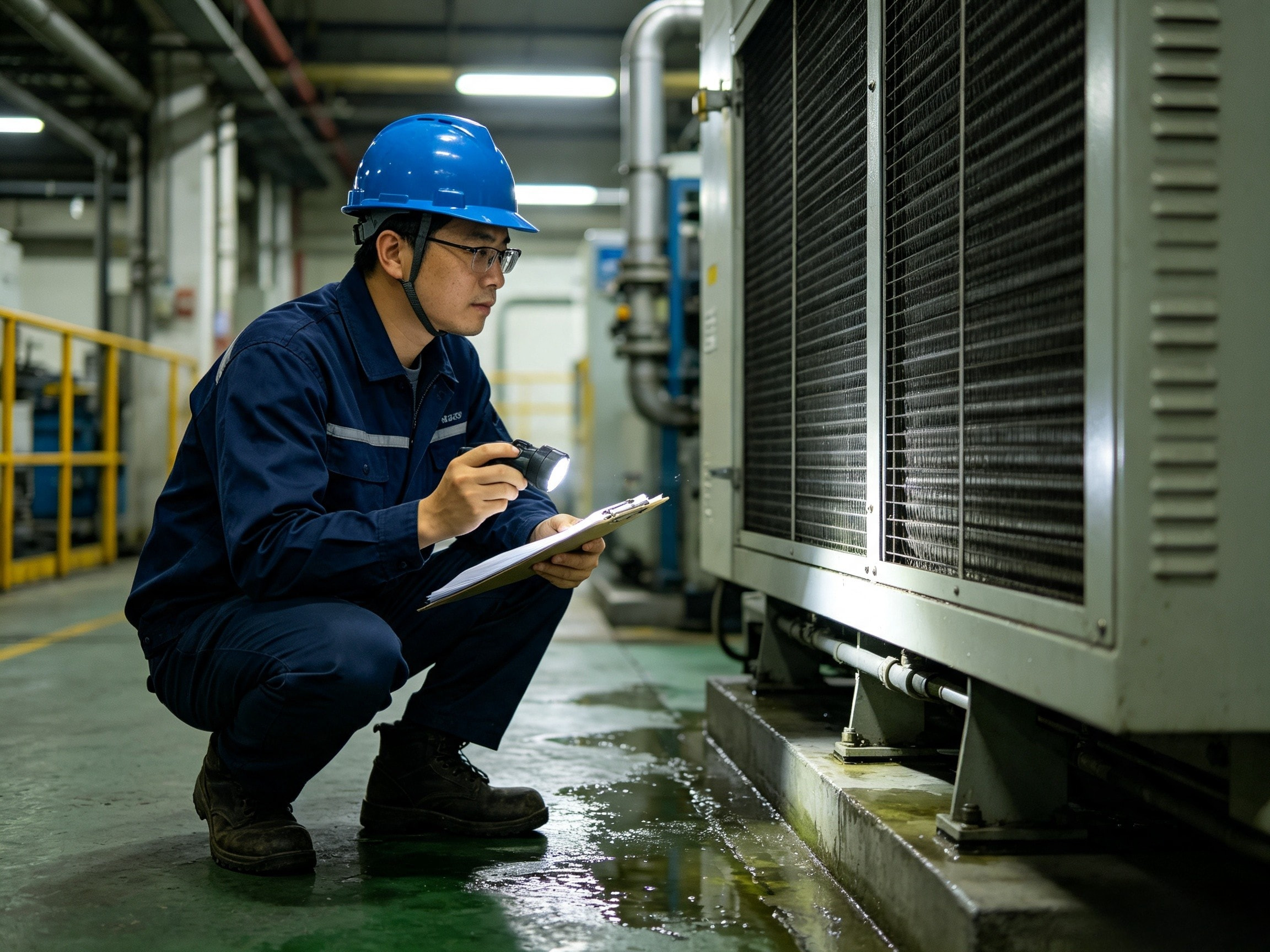
✅ Operation Key Points:
- Morning check (before startup): Inspect oil level, water level, and pressure gauge readings; confirm no abnormal alarms are present.
- Midday check (during operation): Monitor oil temperature, current, and noise; shut down immediately for troubleshooting if any abnormality is detected.
- Evening check (after shutdown): Clean oil stains on equipment surfaces; inspect for any oil or water leaks.
- Load regulation during high temperatures: Appropriately reduce the production cycle (or production rate) to avoid prolonged full‑load operation of the equipment.
- Maintenance during idle periods: Start up the machine at least once a week and run it for 15–20 minutes to prevent component corrosion.
High‑Temperature Maintenance for Injection Molding Machines: Three Fatal Misconceptions
Many factories tend to fall into the following misconceptions when performing summer maintenance. These practices may appear convenient at first glance, but in reality, they lay the groundwork for potential problems down the line.
❌ Misconception 1: Adding water only without removing scale
Wrong approach: When cooling performance declines, some operators simply add water to the cooling tower to dilute the system, without performing a thorough cleaning.
Actual hazard: Scale accumulates on the inner walls of the piping. While this may seem to lower temperature in the short term, over time it reduces heat dissipation efficiency by more than 50% and can even block the piping, leading to equipment overheating and shutdown.
✅ Correct practice: Use professional descaling agents for regular cleaning, with at least two deep‑maintenance sessions per year, to keep the water circuit clear and unobstructed.
❌ Misconception 2: Neglecting the impact of high temperature on hydraulic oil life
-
Wrong approach: Rigidly following a fixed oil change schedule without considering the accelerating effect of seasonal temperature variations on oil degradation.
-
Actual hazard: During the peak summer heat, workshop temperatures can reach 40°C or higher, significantly speeding up hydraulic oil oxidation. Prolonged high‑temperature operation can cause oil emulsification and viscosity drop, which in turn affects the pressure stability of the hydraulic system and increases the risk of valve assembly wear.
✅ Correct practice: Flexibly adjust according to actual machine operating conditions – equipment using high‑quality oil and filtration systems may allow extended intervals; for conventional equipment, it is recommended to intensify oil testing during hot seasons and replace the oil immediately when signs of turbidity or emulsification appear, so as to prevent minor issues from escalating into major failures.
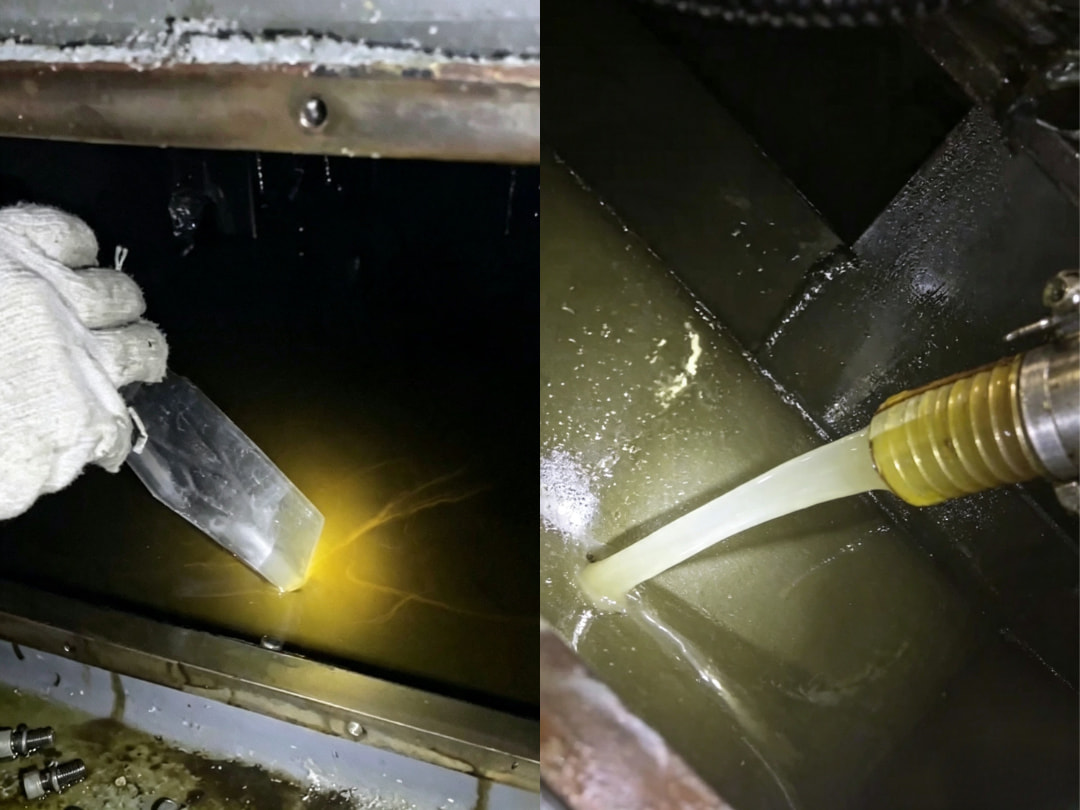
❌ Misconception 3: Long‑term neglect of dust removal from the electrical control cabinet
Wrong approach: Believing that the electrical cabinet is well‑sealed and therefore ignoring the accumulation of dust inside.
Actual hazard: Dust adheres to circuit boards and terminal blocks, forming an insulating layer that impairs heat dissipation and causes poor contact. This leads to latent high‑temperature faults, and in severe cases, can burn out the circuit boards.
✅ Correct practice: Open and inspect the electrical control cabinet monthly; use compressed air or a soft brush to clean dust, with special attention to fan inlets and the surface of circuit boards.
————————————————
The high‑temperature season is a peak period for equipment failures. Scientific maintenance not only reduces repair costs and effectively extends the service life of injection molding machines, but also minimizes downtime losses and ensures stable order delivery.
With nearly three decades of deep industry experience, Tianjin Yihe Zhongwei Precision Machine Co., Ltd. (ZOWEITE) has established a mature equipment operation and maintenance service system. We provide professional maintenance guidance and troubleshooting services specifically for high‑temperature summer operating conditions.
Should you have any questions regarding equipment operation or routine maintenance, do not attempt to debug blindly on your own. Please call the ZOWEITE after‑sales hotline: 400-640-9800. Our team will provide you with a professional solution at the earliest opportunity.